SuperChallenge on… Our Slightly Obsessive Game Prep Routine
At SuperChallenge, we believe our service and products are a cut above. We aren’t the typical reseller who buys as low as possible, puts in as little work as possible, and then sells as high as possible.
When we started the company, we knew we would make less money by working this way. However, as we explain on our About Us page, we didn’t launch SuperChallenge to make a fortune. We started it because we believed we could offer a better service to the gaming and collecting communities than they were currently receiving.
Over the years, our process for handling incoming products has evolved to ensure we consistently offer the best quality stock at fair prices. We thought we’d give you a look at what goes into that process from start to finish.
Where Our Stock Comes From
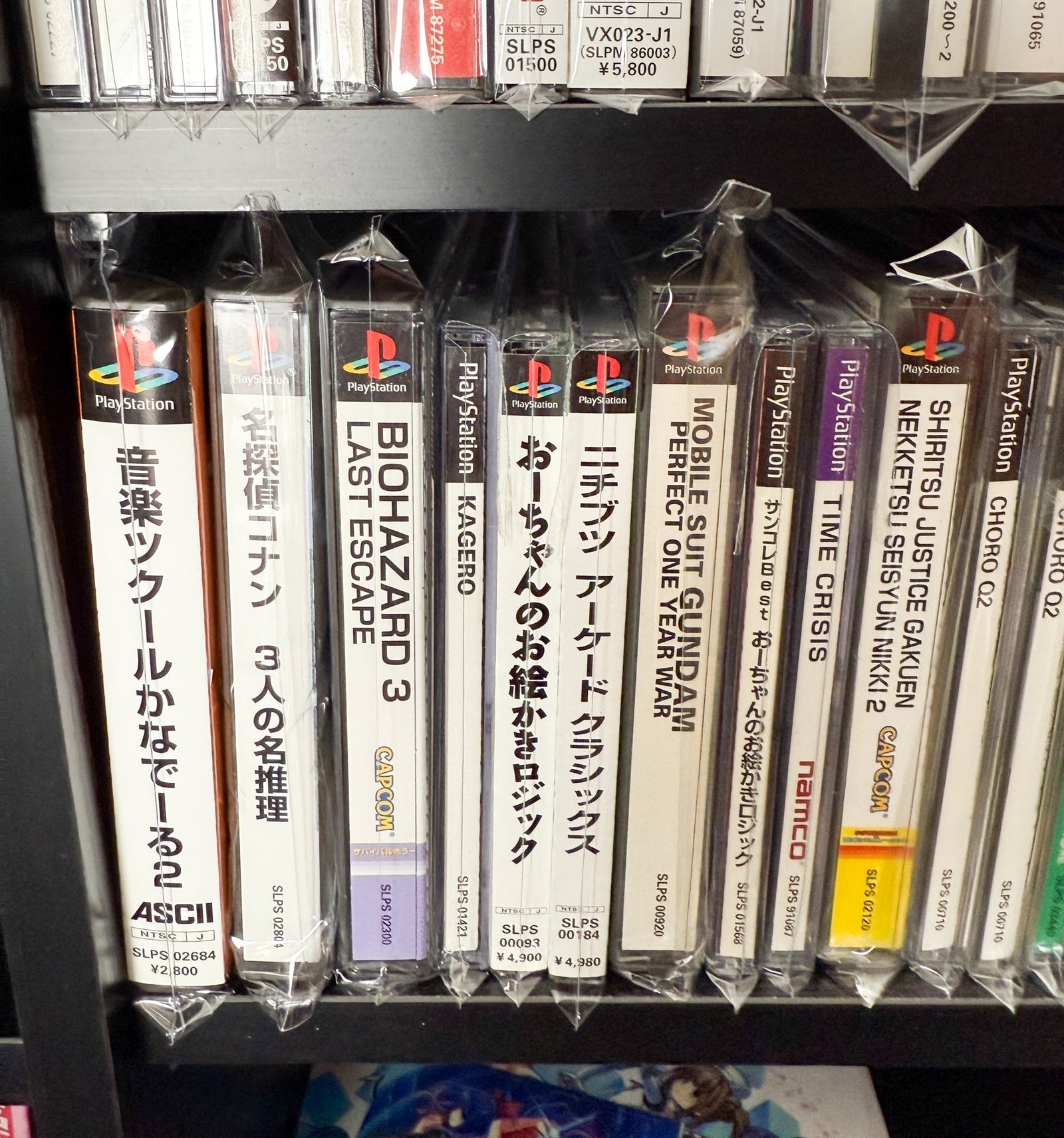
Our stock typically arrives in large boxes from Japan and the US. We buy personal collections, store buyouts, and anything else we think would be cool to have in our store. Sometimes that means we end up with more copies of Densha De Go! than intended (because train games are awesome), but that’s our cross to bear.
Triage: What Makes the Cut
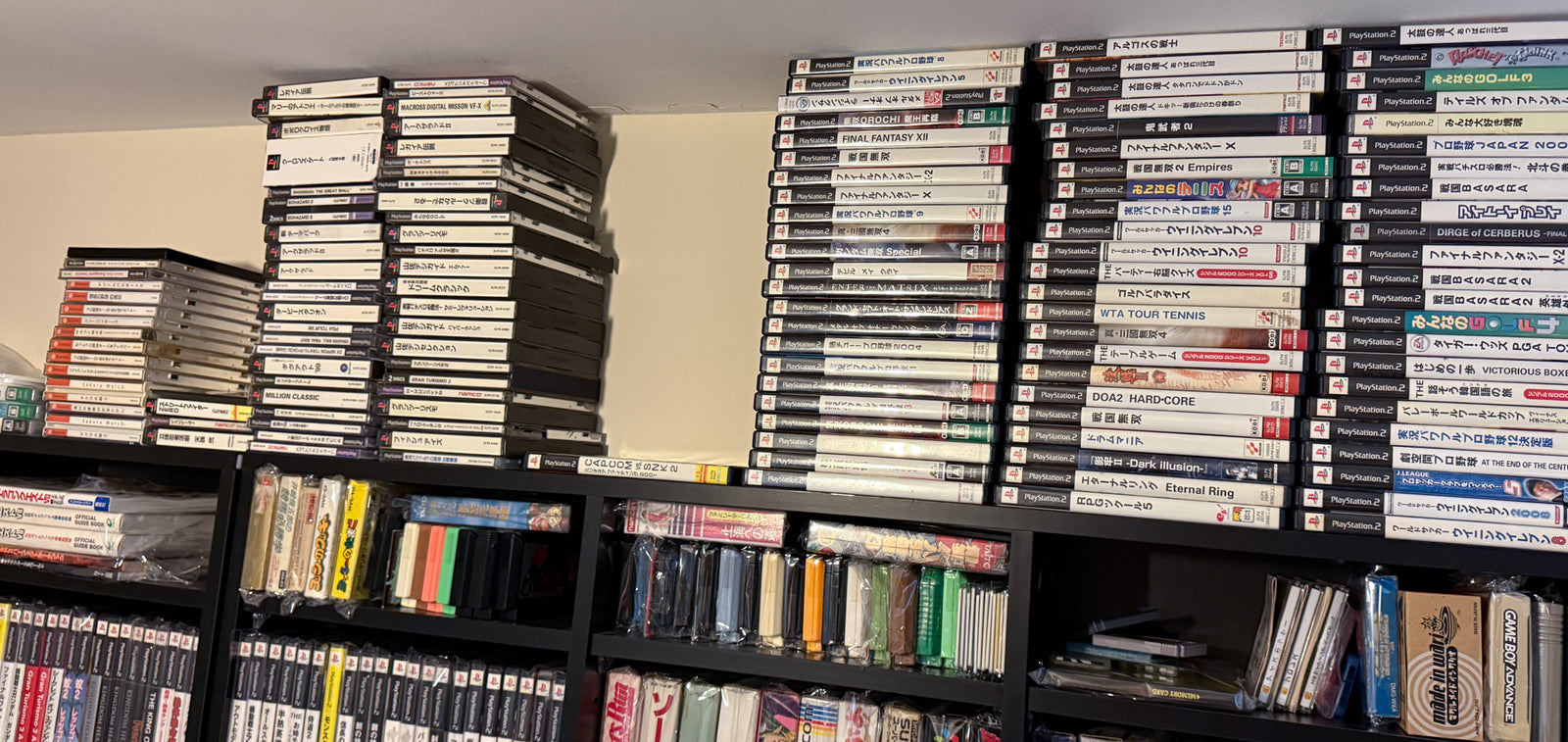
Since we don’t always know exactly what’s coming in, the first step when new stock arrives is triage: deciding which items are worth processing. Some arrive damaged beyond repair. Others are missing inlays or manuals. Some have wear to the inlay but are otherwise decent and playable. And then some titles just aren’t worth the time. Not many people are clamouring for Japanese PS1 horse racing games, for example, and even if we priced them at £4 and lost money on them, they would still be a tough sell.
Those go to the top shelf, which is our Boneyard. Sometimes, it's really handy to have items that you can harvest parts from. We also use these as free pack-ins with consoles when we sell them, and periodically clear the Boneyard entirely by auctioning them off as untested, starting at our shipping cost. We’re always 100% transparent that the items are untested or damaged when we do that. Maybe someone else wants to take a chance on them or can use them for something.
Case Study: Biohazard 3 for PS1
For this walkthrough, let’s look at a title we know will sell: Biohazard 3: Last Escape for PS1.
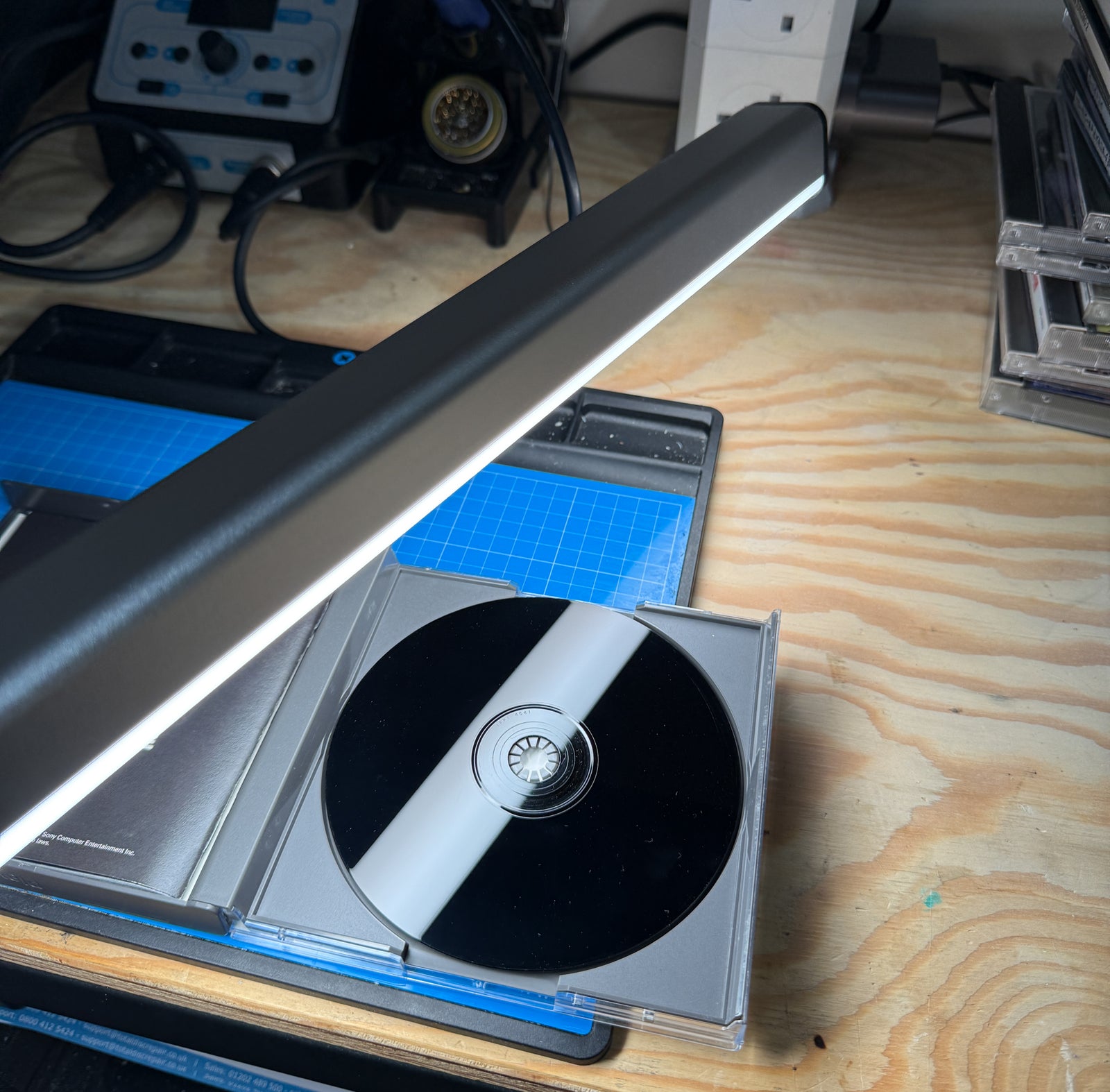
First, we break out the strip light and inspect the disc for damage. We’re looking for smudges, scratches, blemishes, discolouration, chips, cracks, pinholes, and anything else that could affect operation. If it just has some dust or minor smudges, we’ll use our custom-blend disc spray and a specialist cloth to clean it up.
For cartridges, we disassemble them where possible, clean the shell and pins, and check voltage levels to see if a save battery replacement is needed. Our goal is that when a customer inserts the game into their system, it works the first time. Obviously, we can’t guarantee the condition of their console, so that may not be possible—but we try to account for everything we can control.
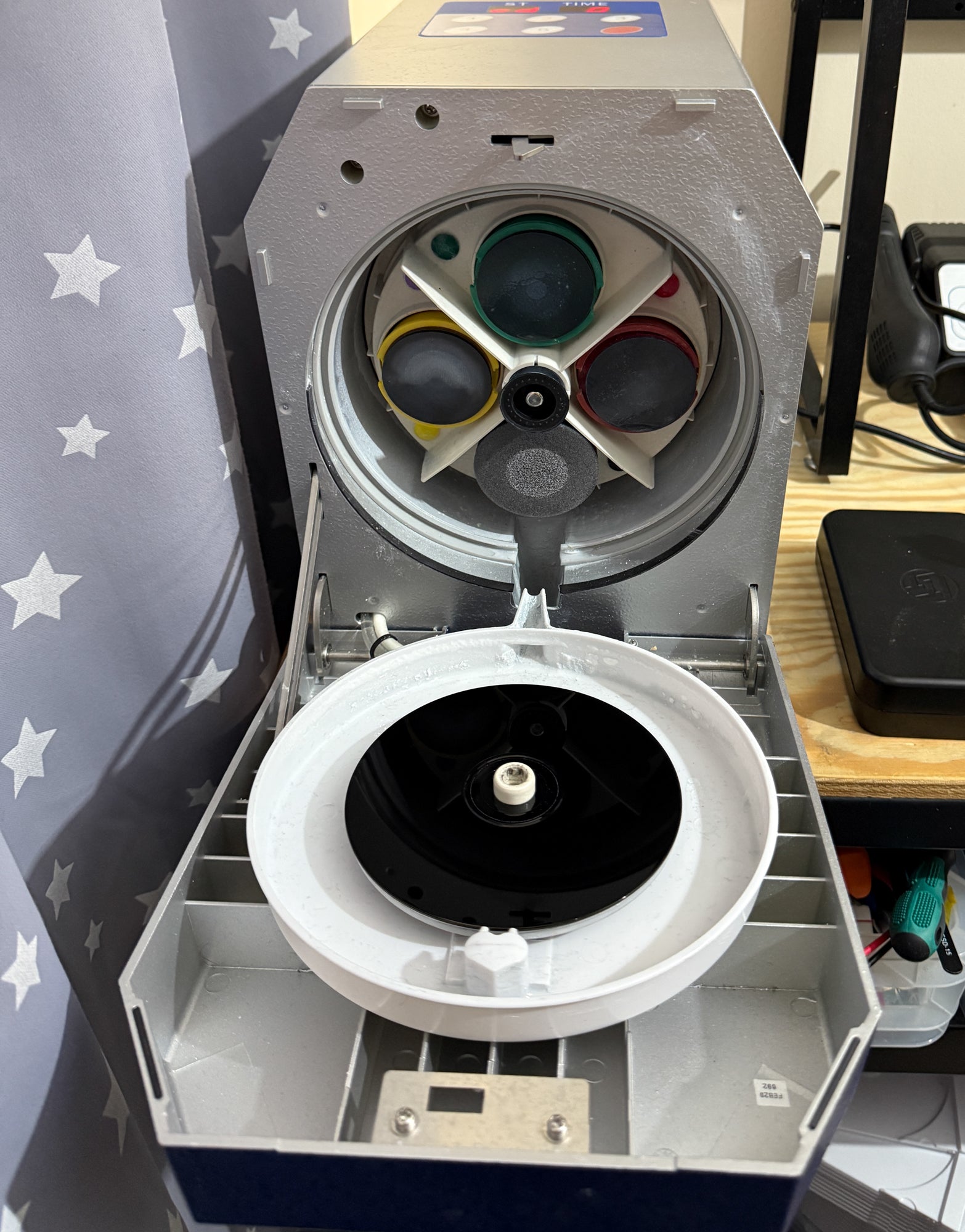
This disc has a partial circular scratch near the outer edge, so it’s off to the disc repair machine. You probably can't see it in the picture above, and that's precisely why we inspect so carefully. We have three professional-grade repair machines, but our daily driver is the ECO-Clever (known as the ECO Auto-Smart outside Europe) from our friends at Total Disc Repair.
We always repair conservatively. That helps keep supply costs down and preserves the integrity of the disc. Rather than blindly run a full 2-minute cycle to “save time,” we’d rather spend 30 seconds inspecting and 30 seconds repairing - just enough to get the game into clean, working condition.
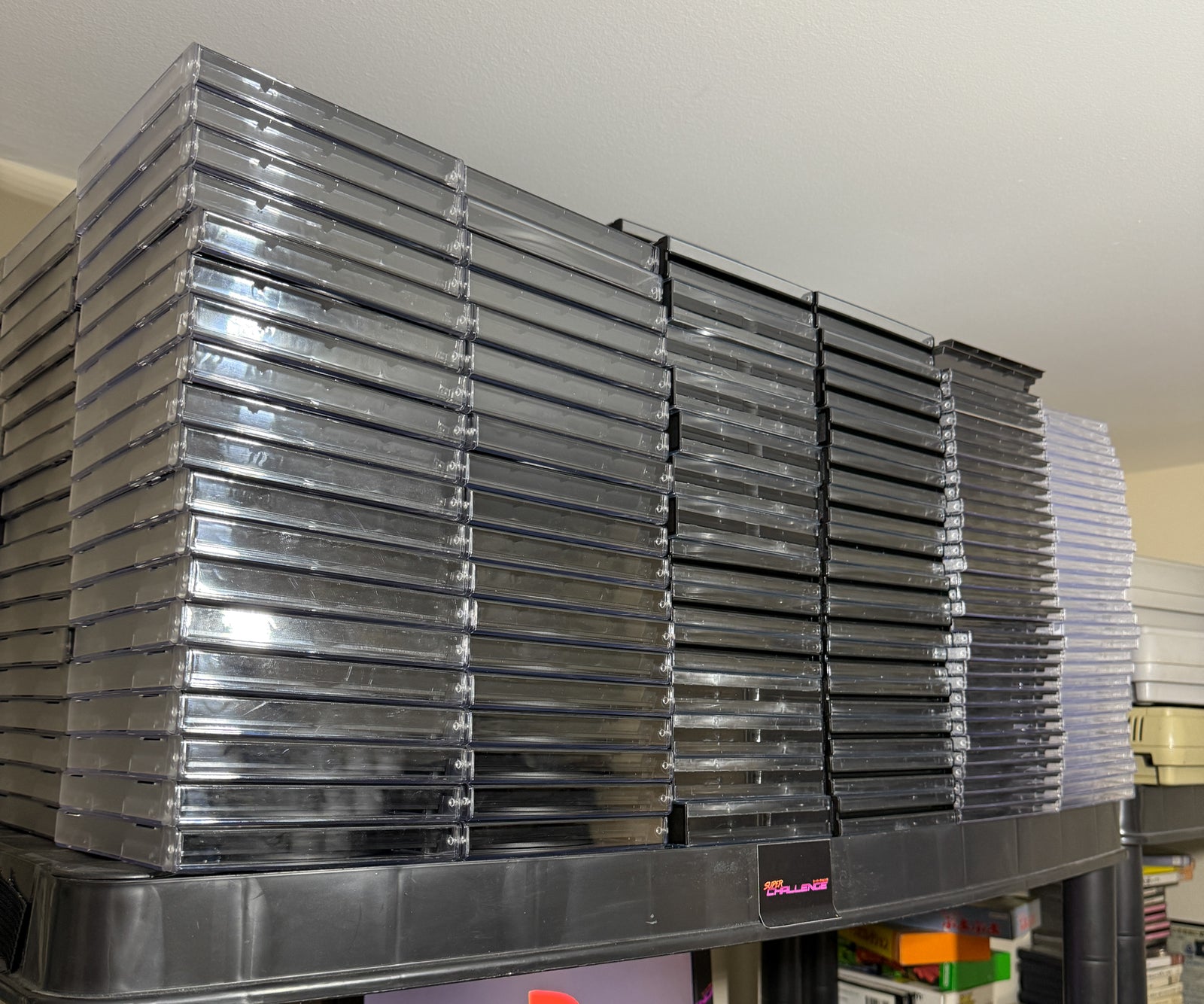
While the disc is running, we check the case. If it has broken hinges, cracks, or missing teeth in the disc tray, we replace the affected parts or the entire case using quality new replacement stock. We always keep a range of PS1 “thick” cases, quad-cases, and clear, black, and white jewel cases on hand. If a less commonly-used type of case is needed (such as a two-disc PS1 case) we'll check the Boneyard and see if we can't come up with something presentable.
If a replacement isn’t needed, we’ll go to work with a very light spray of sugar soap to remove as many imperfections as possible and give it a bit of shine.
Testing on Real Hardware
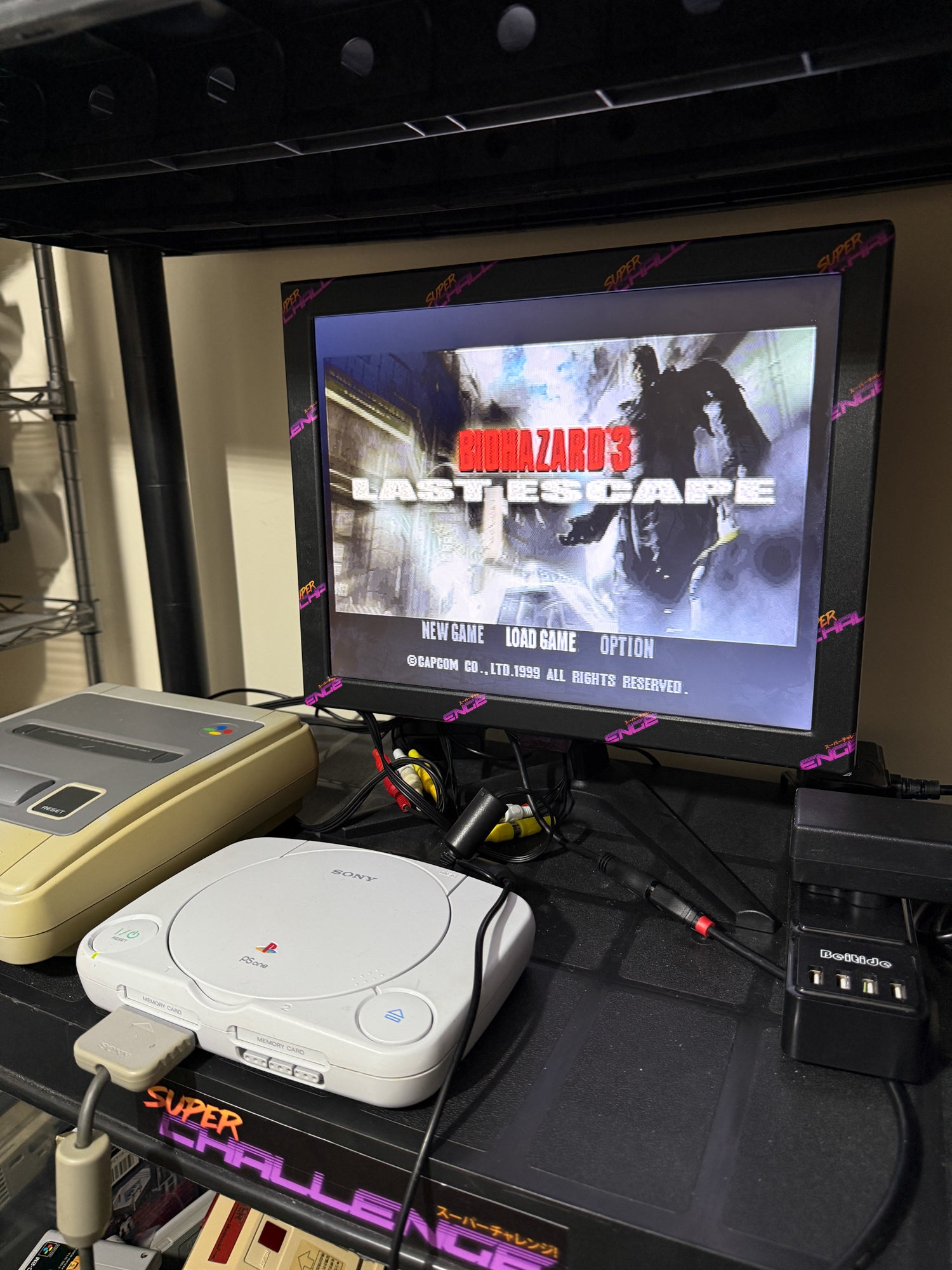
Once the disc is repaired, we move on to testing.
Our testing suite includes a multitude of consoles. To hand, we currently have (deep breath): 32X, 3DS, Dreamcast, DS, Famicom, Famicom Disk System, Game Boy Pocket, GameCube, Game Gear, GBA SP, Lynx, Mega CD, Mega Drive, N64, Neo Geo CD, Neo Geo Pocket Color, PC Engine Duo, PS1, PS2, PS3, PS4, PS5, PSP, PS Vita, Saturn, Sega Mark III, Super Famicom, Switch, Wii U, Xbox, Xbox 360, and Xbox Series X.
For controllers, we use the excellent Consoles4You Controller Testing Kit to check button responses, stick range, dead zones, and drift.
We always test on original, unmodified, and generally unmaintained hardware. Our thinking is simple: if it works on these less-than-perfect systems (such as our Famicom AV that looks like somebody caved it in with a large rock) then it’ll work for our customers.
We usually test in batches to avoid constantly having to be plugging and unplugging cables for dozens of systems. If we can save time without sacrificing quality, then you can bet your bottom dollar we're going to do it.
Preparing for Listing
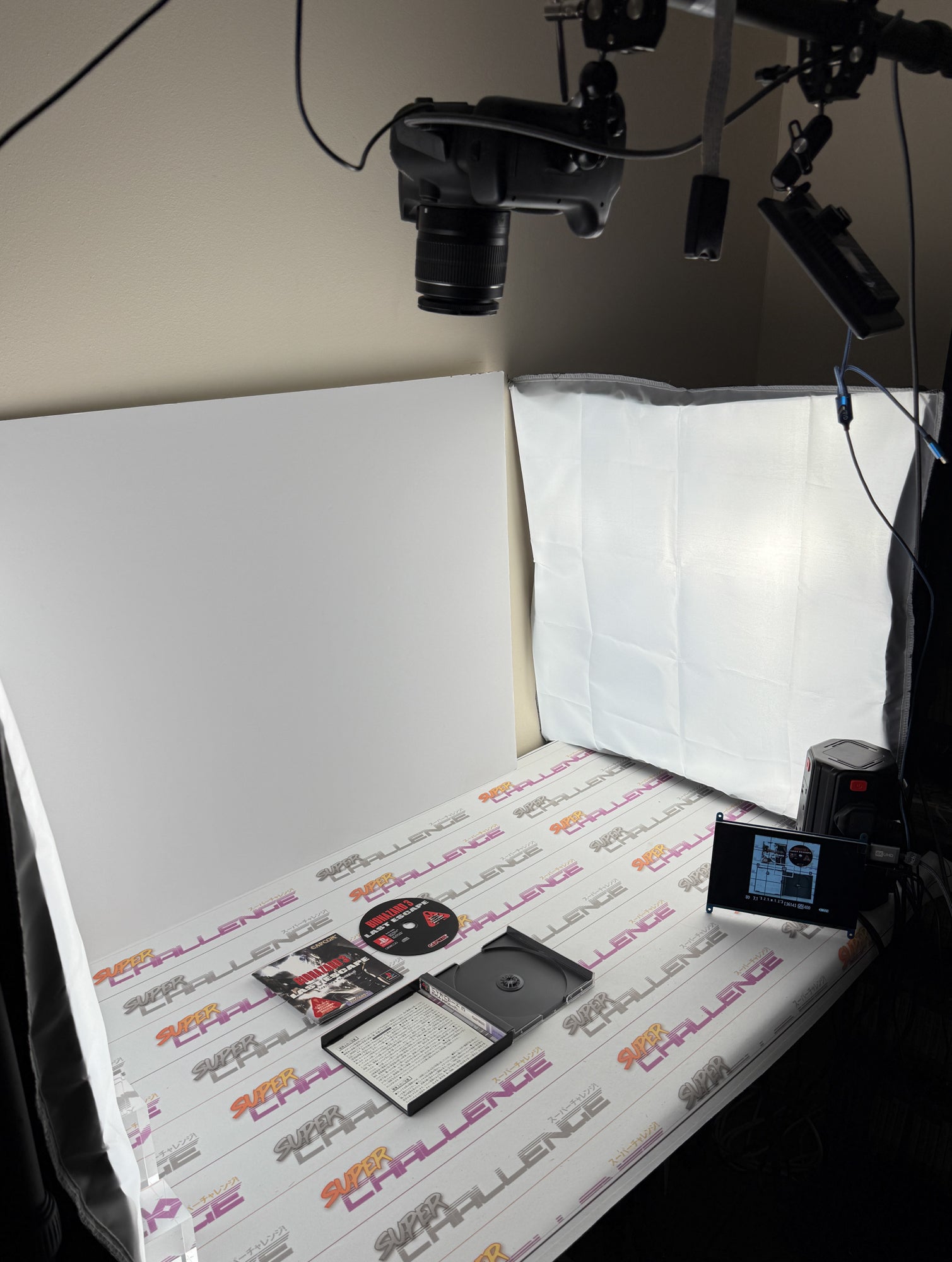
Once a game passes testing, we move on to listing prep. We note any remaining damage such as case scuffs, manual wear, print-side disc marks, discolouration, and so on. These are described in full on the listing and factored into the price.
We photograph every part of the package, including the front and back covers, spines, internals, both sides of the disc, the manual, and any accompanying inserts. Then we place the game in a poly sleeve to protect against dust. Sleeves also help with our inventory process. We try to avoid having two of the same title listed at the same time. In our system, the three sleeveless copies of Ridge Racer Type 4 we have on the shelves haven't been processed or listed. The sleeved one next to them has and is, so is the one to send out when an order comes in. Simple.
With this system, there's no chance that we can accidentally send out the wrong item to the buyer. We want the customer to get the exact item they saw in the listing, in the exact same condition they paid for.
Packing and Shipping
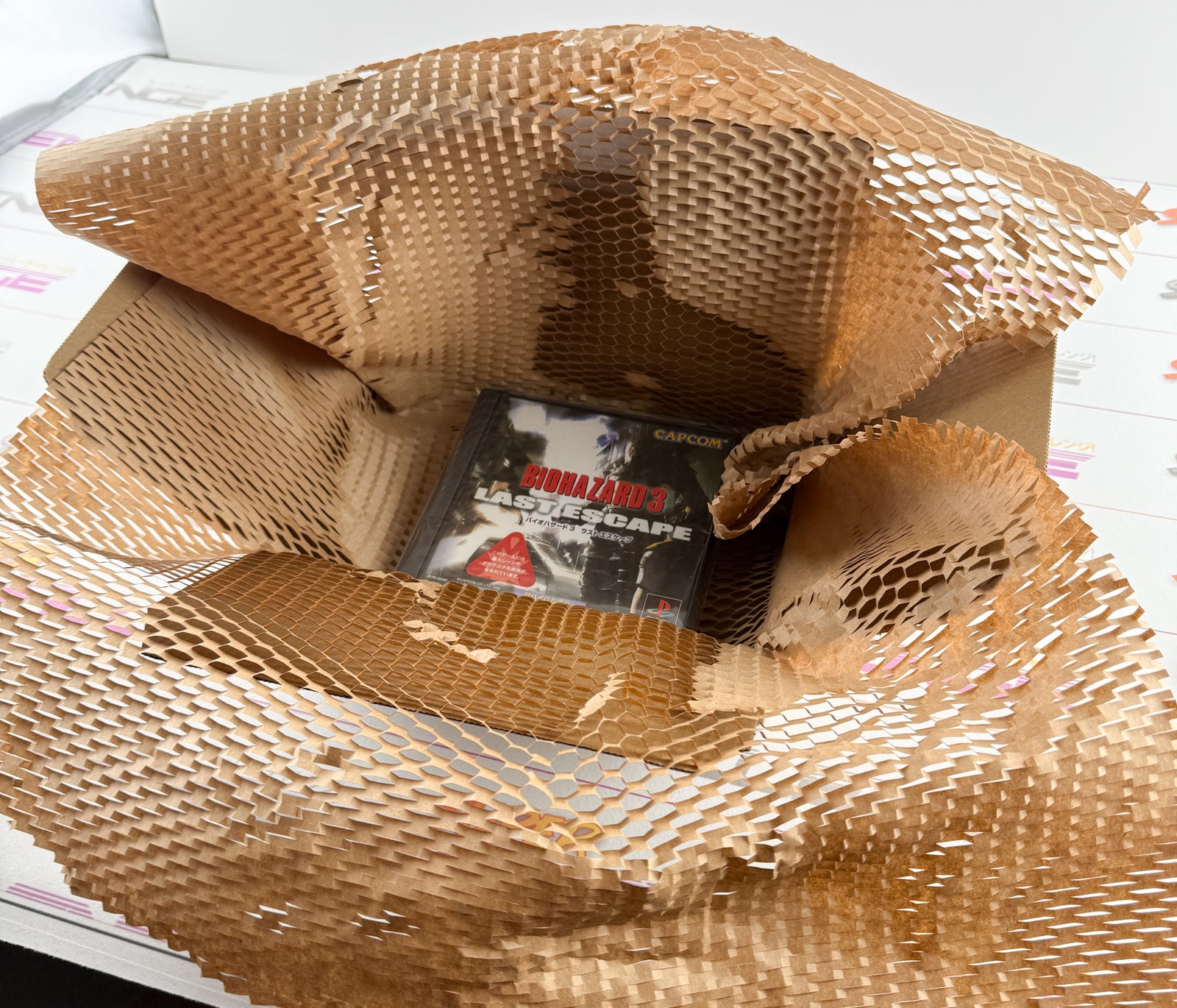
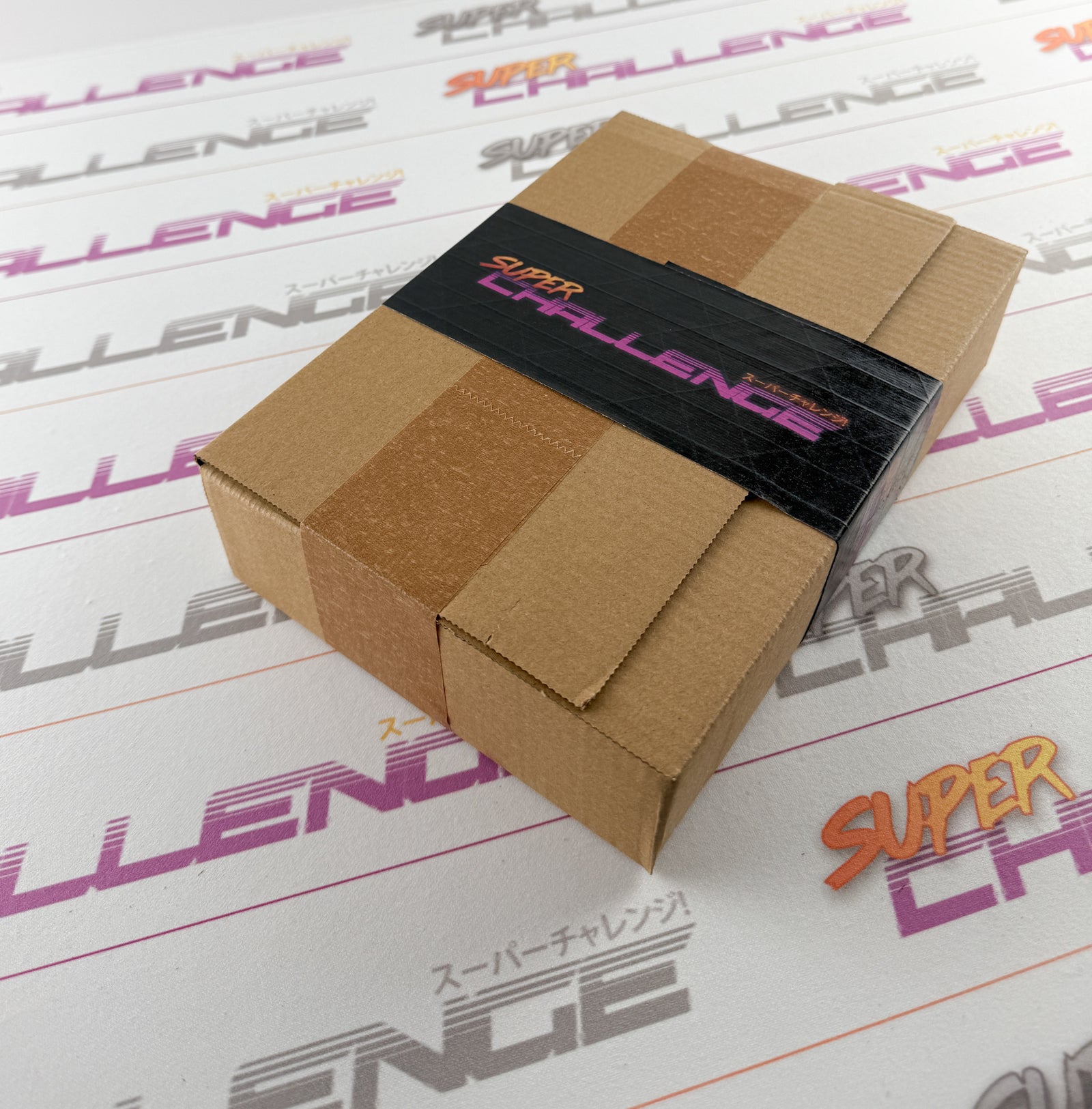
When an item sells, we carefully remove it from the shelf, choose a suitable container (we use boxes for fragile items such as this PS1 case), and pad it out with honeycomb paper wrap. It’s just as effective as plastic bubble wrap, takes up less space in our packing area, and is 100% recyclable.
We seal the box with paper-based parcel tape, then wrap it with our custom reinforced logo tape, which is also recyclable. Our primary packaging goal is to make sure the item arrives in the exact condition it left us. Our secondary goal is to make sure our customers can chuck all that packaging straight into their recycling bin.
Why, Though?
We perform this process for every item we sell, from an £8 Famicom cart to a rare £250 PS2 special edition. We know this is a lot of effort for each item, but that’s kinda the whole point. We don’t just sell games. We give collectors and gamers confidence that what they’re buying has been cared for, tested, and appropriately described.
It’s the kind of service we’d want to receive ourselves, and it’s what SuperChallenge is all about.